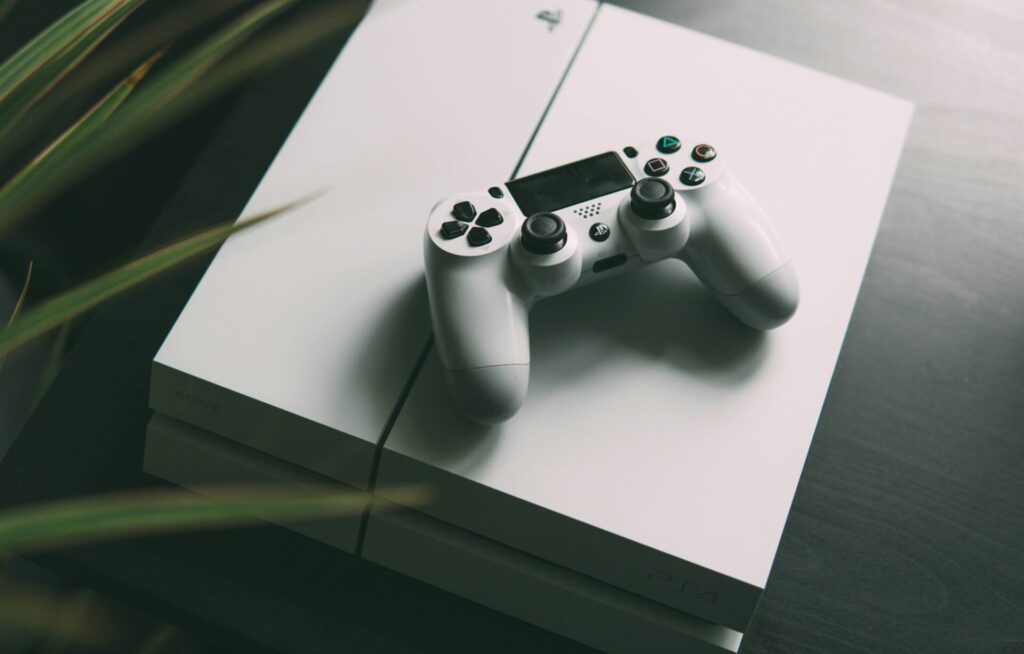
Now that the PlayStation 5 has been out for a few years, it may have lost some of its original luster. It’s still an impressive console, but Sony has also offered another step up in the form of the PlayStation 5 Pro in late 2024. So, should you grab the PS5 Pro, stick with an older console or wait for something even newer?
As with many tech decisions, it’s largely a matter of what matters to you. So, to help you make the right choice, here’s a deep dive into how Sony’s consoles compare to each other.
PS5 Pro vs. PS5: Price
Probably the biggest headline about the PS5 Pro around its launch was its price. The console costs a whopping $699.99. For comparison, the original PlayStation 5 Digital Edition costs $399, but that model may be hard to find now.
Sony has since marketed the newer PS5 slim, which costs $449, over the original Digital Edition, although you can still find the OG at some stores. The disc drive version of the vanilla PS5 will run you $499.
Paying $200 more for a console is a tough pill to swallow. However, prices for the older consoles have been rising in some regions as Sony has tried to adapt to changing economic factors. In light of those shifts, the upgrade to the Pro may not seem as steep.
PS5 Pro vs. PS5: Specs
The Pro may cost significantly more than the baseline PS5, but you do get some hardware upgrades in return. Many of the changes are subtle — this is an updated system, not a new console generation, after all — but they make a difference.
Both the PS5 and the Pro use the same CPU, although the Pro can push it to higher clock speeds. The graphics card, or GPU, showcases a bigger gap. The GPU in the Pro has almost double the number of compute units and uses a newer architecture, making it significantly faster.
The original PlayStation 5 and the Pro have the same amount of RAM, but the latter can access it faster, reaching 18 gigabits per second compared to the former’s 14. The Pro also has a higher GPU clock speed at 16.7 teraFLOPS, has twice the amount of built-in storage and is Wi-Fi 7-compatible, which the older console isn’t.
PS5 Pro vs. PS5: Performance
Those numbers may not mean anything to everyone, so it may be more useful to look at how they translate into real-world performance. This is where the PS5 Pro really shines, as it can run games much more smoothly than its predecessor.
The original PS5 is already impressive, supporting 4K resolutions at 120 frames per second (FPS) on select titles. The Pro kicks it up a notch by reaching the 120 FPS mark on a much wider selection of games. Frame rates are also more consistent on the newer console, so you won’t deal with stuttering nearly as often, and the higher FPS means things will look silky smooth on a 120Hz display if you have one.
Ray tracing is where the performance difference is most noticeable. While the OG PS5 also supports ray tracing, the Pro uses newer artificial intelligence (AI) technology to make its lighting and shadows look even more impressive. Some people say the ray tracing capabilities are up to three times what the older version could achieve.
PS5 Pro vs. PS5: Games
As jaw-dropping as the PlayStation 5 Pro’s performance can be, you should consider that not every game will showcase such an improvement. The new system can play everything the old one can, but only select titles are “PS5 Pro Enhanced,” which means they can take advantage of the upgraded graphical effects.
Right now, there are over 100 enhanced titles available, including many of the biggest game releases of 2025, like Assassin’s Creed Shadows. That’s a solid start, especially if you prefer to play newer games, but it’s a far cry from the thousands of titles you can enjoy on the PS5.
Non-enhanced games will still look and feel great on the Pro, but you won’t get the full impact of all the hardware improvements you paid for. That may give the older console a slight edge in this area, but that difference will diminish further into the Pro’s life cycle.
Should You Wait for the PlayStation 6?
There is one more thing to consider before deciding if a PlayStation 5 Pro is worth it for you. Console generations typically last between five to seven years, so the PS6 could be just around the corner, and it’ll almost certainly provide a big improvement over even the Pro.
Sony has said its next hardware generation is at the top of its mind, and current rumors suggest the PS6 will come out sometime in 2027 or early 2028. Any information about that console’s specs is just speculation at this point, but leaks have indicated that it could offer a substantial performance boost while being cheaper than the PS5 Pro.
The PS6 will be the most powerful PlayStation available when it comes out — and possibly the biggest bang for your buck. At the same time, you’ll have to wait a couple of years to get your hands on it, which doesn’t help if you want a new console now.
Who Should Buy a PS5 Pro?
Ultimately, the PS5 Pro is worth it if you have the budget, play mostly newer games and care a lot about graphical performance. The higher framerate will be particularly beneficial if you’re competitive in multiplayer games and have a TV with a 120Hz refresh rate.
However, if you already have a baseline PS5, don’t play many new AAA games or don’t have a 4K, 120Hz TV, then the Pro’s $700 price tag is probably not worth it. You may be better off waiting for the PS6 for your next upgrade.
You can also always wait for Black Friday or another holiday to see if the Pro goes on sale, which could make it a better deal. Big discounts on flagship hardware like that don’t come too often, but they do happen occasionally.
The PS5 Pro Is Impressive but Not Worth It for Everyone
Overall, the PS5 Pro is worth it for dedicated gamers with big enough budgets but is not the right choice for everyone. Most people, especially casual gamers, are better off sticking with older consoles for now and possibly waiting until the PS6 comes out. Of course, the best choice ultimately comes down to what matters most to you.
Recent Stories
Follow Us On
Get the latest tech stories and news in seconds!
Sign up for our newsletter below to receive updates about technology trends