
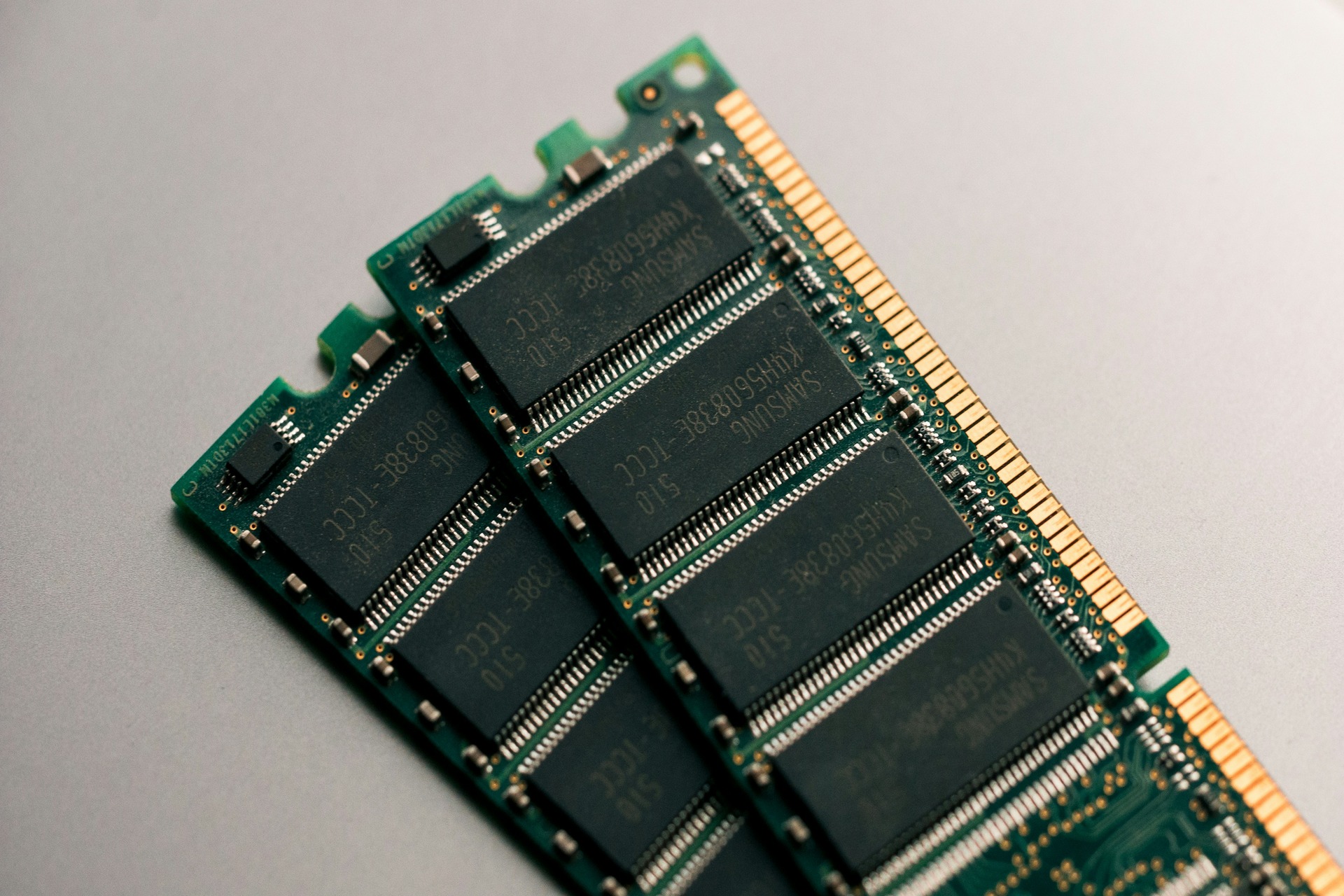
RAM shortage concerns have pushed laptop prices into sharper focus in 2026, as rising memory costs continue to influence the broader personal computer (PC) market. Tech enthusiasts now see higher price tags across entry-level and premium models, driven by constrained supply and surging demand from artificial intelligence (AI) workloads and data centers.
This global shortage shapes pricing trends, affecting how manufacturers configure devices and pass costs on to buyers. As a result, even minor upgrades in RAM capacity can significantly impact overall laptop pricing and purchasing decisions.
Modern laptops rely on DRAM for active memory processing and NAND flash for storage, enabling fast multitasking and data access. Demand has surged as AI workloads and mobile device production compete for the same memory supply, which places sustained pressure on availability.
The shortage also reflects a strategic shift, as manufacturers reallocate capacity away from consumer electronics toward higher-margin memory solutions designed to support AI infrastructure. Industry leaders like Samsung Electronics and SK hynix play a central role in global supply, influencing how memory is prioritized across competing sectors. This dynamic tightens supply for consumer laptops, which makes pricing more volatile and harder to predict.
Geopolitical tensions and export restrictions continue to disrupt semiconductor production. It intensifies the global RAM shortage as supply chains become more fragmented and politically sensitive. Memory production depends on highly specialized semiconductor manufacturing facilities, where even minor disruptions can reduce output and delay shipments.
Expanding this capacity requires massive capital investment and years of development, which makes it difficult to respond quickly to demand spikes. Fabrication constraints further limit supply, as building new fabs involves high costs and long lead times before reaching full production.
Rising RAM costs directly influence laptop pricing structures, as memory remains one of the most critical and nonnegotiable components in modern systems. Manufacturers often face tighter margins, especially in competitive segments.
This factor leads to price adjustments across entire product lines rather than isolated models. Midrange and budget laptops typically see the biggest increases because they operate on thinner profit margins, leaving less room to absorb component cost spikes without raising retail prices.
Manufacturers respond by adjusting configurations or limiting upgrade options to control costs while maintaining headline pricing. Some brands also bundle higher-priced models with additional features like faster storage or improved displays to justify price increases. In many cases, the added cost is passed directly to consumers, either through higher up-front prices or reduced value in base configurations.
AI model training and cloud computing require massive memory resources. Large-scale models process vast datasets that must be stored and accessed at high speed, intensifying the ongoing RAM shortage. Data centers require tons of tech components, and manufacturing semiconductors and chips frequently causes delays and material shortages that further strain supply.
Companies like NVIDIA and Google continue to drive demand for high-performance memory, pushing suppliers to prioritize enterprise-grade solutions. This shift means enterprise demand often takes precedence over consumer electronics, which limits availability for laptop manufacturers and contributes to higher prices.
Major laptop brands can adapt to rising memory costs by adjusting pricing strategies and reworking product configurations to protect margins. Many models now ship with lower base RAM, while upgradeable designs or configurable options allow buyers to pay more for higher memory tiers. This approach helps brands maintain competitive entry prices while shifting actual costs toward optional upgrades and higher-end variants.
Manufacturers increasingly position devices within premium pricing tiers. They bundle features like faster SSDs and AI-ready processors to justify higher price points and preserve perceived value. As a result, consumers often pay more overall, even when base model pricing appears unchanged at first glance.
Laptop pricing varies significantly across regions due to tariffs and currency fluctuations, all of which amplify the impact of the ongoing RAM shortage. Markets in Asia often see more competitive pricing due to proximity to manufacturing hubs.
Meanwhile, North America and Europe face higher costs driven by trade policies and distribution expenses. Currency volatility further affects pricing, as weaker local currencies increase the cost of imported components and finished devices.
In emerging markets, reseller pricing and limited availability create additional challenges. Laptops are often sold at marked-up prices due to constrained supply and higher logistics costs. These conditions make it harder for consumers to access reasonably priced devices, especially during periods of tight memory supply.
Forecasts suggest memory supply may stay tight in the near term, even as retail pricing shows early signs of relief. U.S. DDR5 RAM prices have dropped by over 20% during the first quarter of 2026, with similar reductions seen globally. Although contract pricing from major suppliers remains relatively firm.
Planned investments in new semiconductor fabs should improve supply over time. Still, timelines remain long, with new facilities from companies like SK hynix and Micron Technology expected to reach meaningful output closer to 2027.
Even with these developments, new fabs require years of construction and ramp-up before they significantly ease supply constraints. Next-generation memory architectures and AI-focused solutions may gradually reduce dependence on traditional RAM production. However, they also redirect capacity toward enterprise use cases. This dynamic means consumer laptop memory supply may stabilize slowly rather than rebound quickly.
The ongoing RAM shortage makes timing and strategy critical when buying a laptop, especially as prices fluctuate across configurations and brands. Buying early can help avoid further price increases, while choosing models with upgradeable RAM allows users to start with a lower-cost configuration and expand later. Value-focused models with balanced specs often deliver better long-term performance than entry-level devices with limited memory and no upgrade path.
Evaluating specs beyond RAM is equally important, as storage speed and thermal design all influence real-world usability. A well-balanced system with a modern processor and fast SSD can outperform a higher-RAM device with weaker overall hardware. Timing also plays a key role, with major sales events and new product refresh cycles often creating short windows where pricing improves, or older models drop in cost.
The global RAM shortage influences laptop pricing and availability, as limited supply and rising demand push costs higher across multiple segments. These price increases reflect deeper structural pressures, rather than short-term market fluctuations. Tech enthusiasts who align purchases with actual usage needs can make more cost-effective decisions despite ongoing volatility.