

Why do your devices seem to die right after the warranty expires? To say “they don’t make them like they used to” may feel like a cop-out, but it might actually be true. Planned obsolescence is a business strategy that intentionally shortens products’ lifespans. Its goal? To force people like you to buy the latest, newest version of whatever they’re phasing out.
Businesses began intentionally designing products to have limited lifespans or to become obsolete within a designated time frame. By lowering product quality just enough, they could “encourage” people to become repeat customers. Today, this practice affects a broad range of goods, from lightbulbs to laptops.
The meaning of planned obsolescence — also called built-in obsolescence — has evolved over the years. The term emerged in the early 1900s, around the same time companies began viewing long-lasting, high-quality products as a threat to profitability. The better their products were, the longer their customers would wait before doing business with them again.
Many manufacturers are designing products to be more fragile so they break faster. Others are making their technologies less useful, so they become outdated sooner. Data shows over 5 million smartphones were discarded in 2022, many of which were still functional.
What happens to the electronic devices you throw away? It almost always turns into electronic waste (e-waste). Humans discard almost 60 million tons annually, much of which stems from planned obsolescence. Since just 20% is recycled, around 80% ends up in landfills. Notably, e-waste also accounts for 70% of the world’s toxic waste.
If your laptop lasted for 50 years, you’d only need to replace it once in your lifetime. However, they typically last no more than five years, depending on the brand. If you live to be 100, you’d have to replace it around 20 times. Multiply this by every human and every piece of technology. Humans are producing veritable mountains of e-waste.
We’ve touched on this problem before. Electronics contain valuable metals and rare-earth elements, so they should be recycled rather than discarded. However, they often end up in landfills, where they leach toxins into groundwater and saturate the skies with toxic smoke.

Although electronics could last decades, companies artificially shorten their products’ lifespans to drive repeat sales that increase profitability. Phones, laptops, cameras, cars and appliances are affected.
Planned obsolescence isn’t exclusive to electronic devices, but it’s a big problem in this industry. Some consider it an open secret. Take, for instance, how Apple has long been accused of rendering older phones slow or nonfunctional with iOS updates.
While the tech giant has repeatedly denied those claims, it agreed to pay $500 million to settle a lawsuit claiming it intentionally slowed older iPhones using this exact method. Sometimes, companies release updates that cause issues with older devices. Other times, they only release critical updates for the newest models on the market.
Phones aren’t the only devices affected. Microsoft has done something similar with its Surface Pro laptops. By using fragile glass for displays, applying glue liberally to internal components and soldering RAM, it made repairs next to impossible. As a result, people can’t fix minor issues, forcing them to put up with the problem or buy a new laptop.
Some examples of planned obsolescence are more egregious than others. For example, some automakers place sensor housings on the front windshield. Say a rock flies up and hits the windshield while you’re driving. Rather than fixing the small chip, you’d have to spend thousands because technicians would have to remove, replace and recalibrate the sensors.
In this situation, your only option is to spend a fortune on the fix or go without. The goal isn’t necessarily to get you to buy a new vehicle. Placing sensitive electronics in increasingly inaccessible locations makes repairs more costly and complicated.
Some original equipment manufacturers have been using underhanded tactics like these for decades. They’ve stayed in business because their brand names were associated with quality. This isn’t conjecture, either. One of the earliest examples of planned obsolescence is also one of the worst.
In 1924, executives from the world’s largest light bulb manufacturers — including Philips, General Electric and Osram — met to form the Phoebus Cartel, named after the Greek god of light. Its goal was a simple one — to ensure no bulb would last more than 1,000 hours. The cartel artificially limited durability by using thinner filaments and altering the bulbs’ design.
Although the cartel dissolved in the 1930s, its impact was far-reaching. Even today, despite having the capacity to last decades, many LED bulbs burn out within a few years. While they are still more energy-efficient than incandescents, they could perform much better.
In the long run, you pay more for tech that does less and doesn’t last as long. Your wallet isn’t the only thing manufactured obsolescence hurts, however.
Do you remember the $500 million settlement Apple agreed to pay for slowing down older iPhones with iOS updates? The estimated per-person payment was $25, which is substantially less than the cost of a new iPhone. The shorter devices’ expected lifespans get, the sooner you’ll have to pay for a replacement — and electronics are getting expensive.
While the economic impact is significant, you shouldn’t overlook the impact e-waste has on your health. Electronics contain heavy metals and toxic chemicals that poison the ground and nearby waterways. Many have lithium-ion batteries, which produce poisonous smoke. They’re more likely to swell and catch fire after being improperly handled and discarded.
People living near informal e-waste disposal sites face severe, long-term health risks. Research shows it can alter immune function, adversely affect hormone levels, reduce vaccine effectiveness and cause lesions.
Companies can decrease electronic devices’ lifespans to two to three years by using inferior components, such as brittle gears, an insufficient number of fans or a lack of threadlocker compound. Others make repair difficult or even impossible. For example, they use glues that prevent disassembly.
People have attempted to shed light on — and subsequently stop — such practices before. In August 2025, a Southern California man sued Microsoft over its plans to discontinue support for Windows 10. At that time, an estimated 43% of Windows users still used the old version on desktops. Despite his efforts, support for Windows 10 officially ended in October 2025.
A lack of consumer protection laws is a huge contributor. Another reason why manufacturers are getting away with this practice is that most people let them. As older products become less attractive, users want to discard them.
Psychological obsolescence — also known as perceived obsolescence — revolves around the emotional, aesthetic, cosmetic and social influences that compel people to replace functional products. They have no emotional ties to their products because they know a newer, better version is only a few months away.
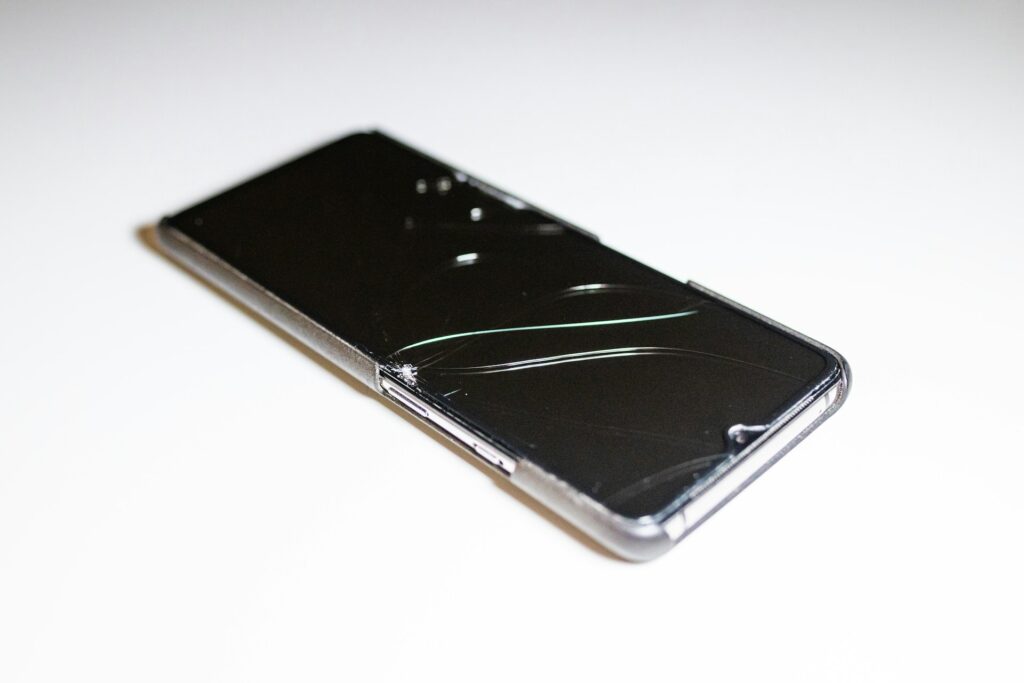
When you get a small crack in your phone’s screen, why does the repair cost hundreds of dollars? Companies will tell you it’s because they use high-quality parts and the repair requires specialized labor. However, your local phone and computer repair shop can probably do it for less. That’s why they use sneaky tactics to make repairs difficult.
Modern phones can detect non-OEM parts, such as screens, cameras or batteries, because they are serialized and linked to the motherboard. If you replace one with an affordable alternative at an “unauthorized” service center, your phone may disable certain features.
Repairing nonfunctional components is the best way to extend a device’s lifespan while minimizing e-waste. The “right to repair” would grant you the legal right to maintain or modify the devices you own as you see fit. Some states have adopted these laws, but the United States is far from having comprehensive regulation.
Even when companies admit to practicing planned obsolescence, there is still little recourse for consumers — at least in America. As evidenced by the Apple lawsuit, consumer protection law has attempted to address the issue. However, manufacturers still haven’t faced high enough penalties or fines to disincentivize the practice.
So far, the European Union has done more for consumers. It adopted a legislative model called “extended producer responsibility,” which requires manufacturers to take responsibility for e-waste generated by planned obsolescence.
Aren’t you tired of spending hundreds or even thousands of dollars only for your gadgets to break in less than a year? You can either move to a “right to repair” state, buy products with a high repairability score or call your local lawmaker about this issue.