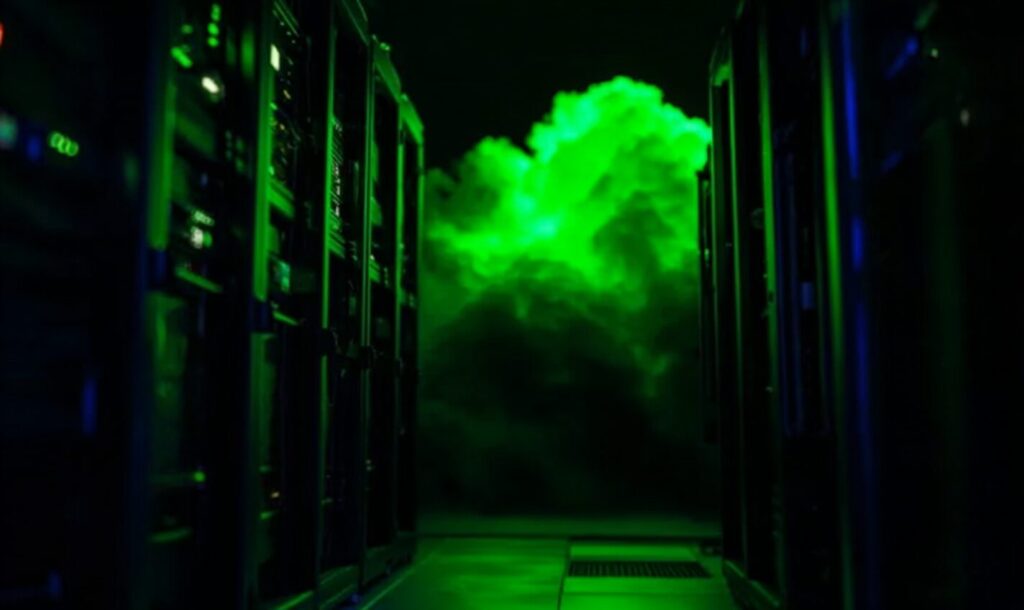
Rapid technological advancements have placed increasing pressure on data center infrastructure with tremendous environmental inefficiencies. As artificial intelligence (AI), cloud computing and data transmission ramp up across the technology sector, a sustainable alternative has become nonnegotiable. Cue green data centers — facilities with a lower carbon footprint and reduced energy costs and the future of computing as you know it.
Defining Green Data Centers
To describe conventional data centers as environmentally damaging is an understatement. Most data centers draw power from fossil fuels, particularly in Virginia’s “data center alley” — the location of 70% of global internet traffic in 2019.
These systems get hot from operations, too. As such, substantial quantities of water and over 40% of their electricity use are for cooling purposes. This doesn’t include the massive electronic waste (e-waste) generation, straining resources and emitting harmful greenhouse gases.
Green data centers are likely what you perceive them to be — computing infrastructure designed with energy efficiency, water conservation, waste reduction and sustainability in mind. Existing data centers can also be retrofitted with green features, such as the following:
- Ventilation and optimized building layout for improved airflow
- Use of sustainable materials, such as flooring and paint
- Alternative clean energy sources, such as solar, wind or biofuel
- E-waste recycling strategies and end-of-life repurposing
- Sustainable cooling technologies, such as heat pumps, evaporative cooling, or constructing data centers in colder climates for natural cooling
- Maximized hardware use through virtualization
- Thermal energy recovery and distribution designs
- Catalytic converters to reduce emissions from backup generators
Although generative AI has contributed to increased power requirements of data centers across the United States — from 2,688 megawatts in 2022 to 5,341 megawatts in 2023 — the latest AI tools can actually improve data center performance by enhancing data center infrastructure management.
Tech Deep Dive: How Do Green Data Centers Work?
Efficiency and sustainability are the foundation of green energy data centers. Here’s how these environmentally friendly computing hubs work while limiting their negative impacts on the planet.
Cooling Tech
Data centers require sufficient cooling capacity to prevent the equipment from overheating and malfunctioning. Unfortunately, conventional methods struggle to meet the increasing computing power demands, driving up electricity use and costs.
As a result, many computing centers have employed innovative cooling technologies that can reduce carbon emissions by 30% and energy footprints by 48%. These upgrades include free cooling, liquid cooling and optimized airflow management.
Renewable Energy Integration
Integrating renewable energy into data centers’ power mix will allow them to be less dependent on “dirty” electricity and decrease emissions. On-site photovoltaic solar panels, wind turbines and other clean sources are viable options. Likewise, a Power Purchase Agreement allows data center corporations to purchase clean energy from a third-party developer at a low-cost rate without upfront expenses.
Adopting renewables is crucial since experts predict a 160% increase in energy use at data centers by 2030, doubling its power requirements globally.
Power Efficiency
Upgrading to high-efficiency servers, storage devices and their counterparts will make the most of and reduce overall power consumption. Process improvements, such as consolidation and decreased idling, will help improve server efficiency. Smart Power Distribution Units can also help data center operators monitor energy use in real time, deliver remote control, minimize downtime and improve efficiency.
Location
Location matters when creating green data center infrastructure. By building data centers in cooler climates, you can promote natural cooling and reduce energy consumption — this also helps cut costs. Retrofitting existing infrastructure is equally important to prevent further land use for new structures.
Why Are Green Energy Data Centers the Future?
There are several reasons to get excited about the rise of green data centers. For one thing, the amount of greenhouse gas emissions they offset by using renewable energy is much better for the planet and integral in the fight against climate change. As digital technologies continue developing and become more widely available, computing infrastructure must be able to meet the power requirements without adding to its own carbon footprint.
The transition to clean energy and optimized operations will also help data center corporations save money for new processors or other upgrades. The latest technology integrations improve system performance and reliability, preventing the servers from overheating or breaking down.
Overall, green data centers demonstrate ongoing efforts to uphold corporate social responsibility. Companies across all industries can’t ignore the growing pressure to shift toward environmental stewardship. In recent years, sustainability has appealed to investors, customers, employees and other stakeholders.
For instance, customers have shown an increased willingness to purchase green products even if they cost more. A 2023 Deloitte study also found that 69% of employees want their companies to invest in green initiatives, such as carbon reduction, renewable energy and waste reduction. Oftentimes, this leads to improved hiring, retention and job satisfaction.
Challenges and Considerations
Some challenges exist for creating green energy data centers. For instance, reducing power consumption is critical because data centers are energy-intensive. However, integrating these hubs with renewable energy can be difficult due to complex systems and outdated electric infrastructure.
Additional challenges include:
- Regulatory and compliance problems: Environmental standards are stricter, causing data centers to adapt operations accordingly
- Return on investment: Data center corporations must ensure energy efficiency updates maintain long-term benefits and returns
- Security: Computing centers must mitigate cyber security risks, ransomware and other attacks using robust security measures
Likewise, acquiring land to construct new green data centers will require careful planning for proper site selection and building methods to avoid environmental degradation.
The initial costs of green energy computing infrastructure are high and may cause some companies to second guess retrofitting their computing infrastructure. Fortunately, corporations can leverage federal tax credits and other incentives for energy efficiency.
The Future of Computing Is Green
The need for data centers will only increase amid technological advancements and widespread digitization. Therefore, all companies must do their part to create a greener tomorrow. To do your part, become educated in the efficient use of computing technologies and support initiatives to turn data centers green.
Recent Stories
Follow Us On
Get the latest tech stories and news in seconds!
Sign up for our newsletter below to receive updates about technology trends