
Cutting the cord or moving away from cable or satellite TV still gives you access to local channels. With a good antenna, you can receive over-the-air broadcasts without monthly subscription fees and watch local news, sports and other free shows. The best TV antennas depend on factors such as signal range, antenna placement and whether you need an indoor or outdoor setup.
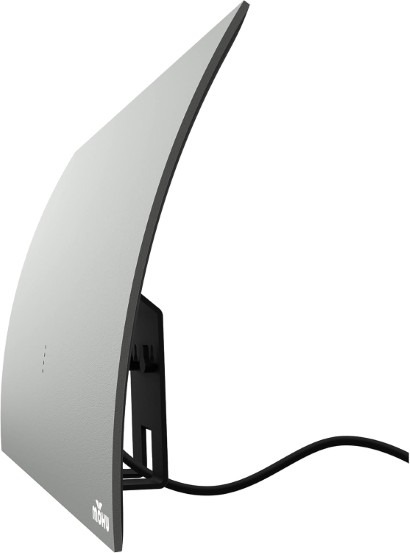
Over-the-air TV remains part of the viewing routine for many Americans, with 37% saying they rely on antennas for local programs. The Mohu Gateway Plus supports this type of setup with a 60-mile range and an LED signal indicator to help with positioning. Its compact design lets you place it on a tabletop or mount it on a wall, giving you a flexible way to access local broadcasts without an Internet connection.
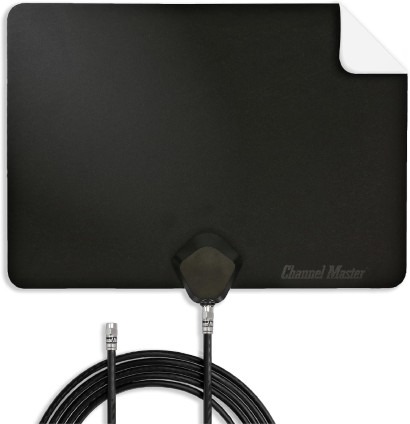
The Channel Master FLATenna offers a minimalist approach to over-the-air viewing with an ultra-thin design that fits easily into your home entertainment setup. Its 35-mile range makes it suitable for many urban and suburban environments, while its reversible black-and-white finish gives you more flexibility when choosing where to position it. You also get support for newer broadcast standards, including ATSC 3.0 and 4K broadcasts.
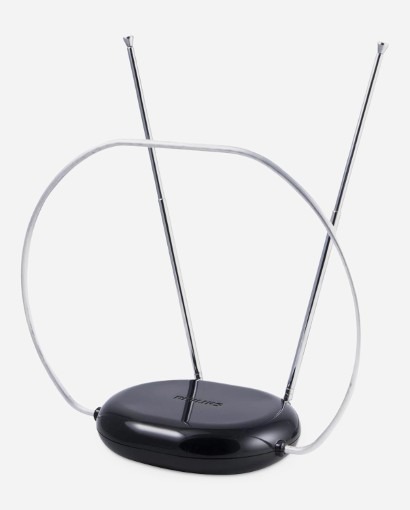
The Philips Rabbit Ears combines a familiar indoor antenna design with adjustable dipoles and a UHF loop to pick up a broad range of local broadcasts. You can set it up without tools, making it a straightforward choice if you want to connect an antenna and start watching. Its ATSC 3.0 support also gives you compatibility with newer broadcast technology.
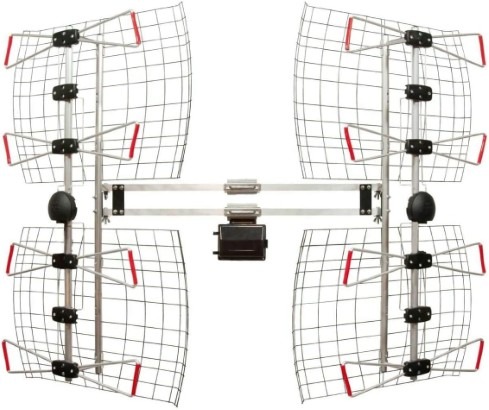
Sports programming draws some of the biggest TV audiences, with hundreds of millions of viewers tuning in for events such as the NFL Super Bowl. For households watching live sports over the air, reliable reception matters. The Antennas Direct DB8e 8-Element Bowtie Antenna addresses challenging reception with a 70-plus-mile range and reflectors that focus incoming signals while helping reduce interference.
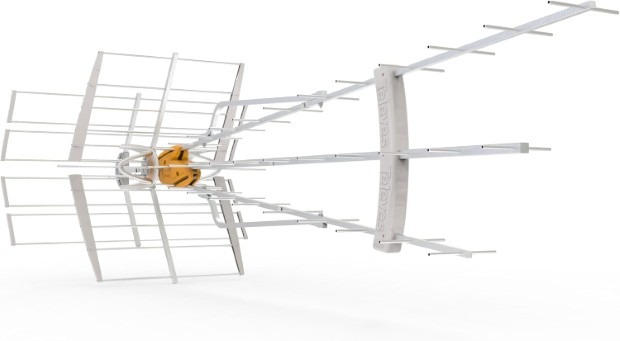
The Televes Dat Boss Mix LR’s directional design focuses reception toward the tower, while the built-in TForce preamplifier adjusts amplification based on signal conditions. You also get filtering technology that helps limit interference from FM radio and cellular signals, making this antenna a strong option for challenging outdoor installations.
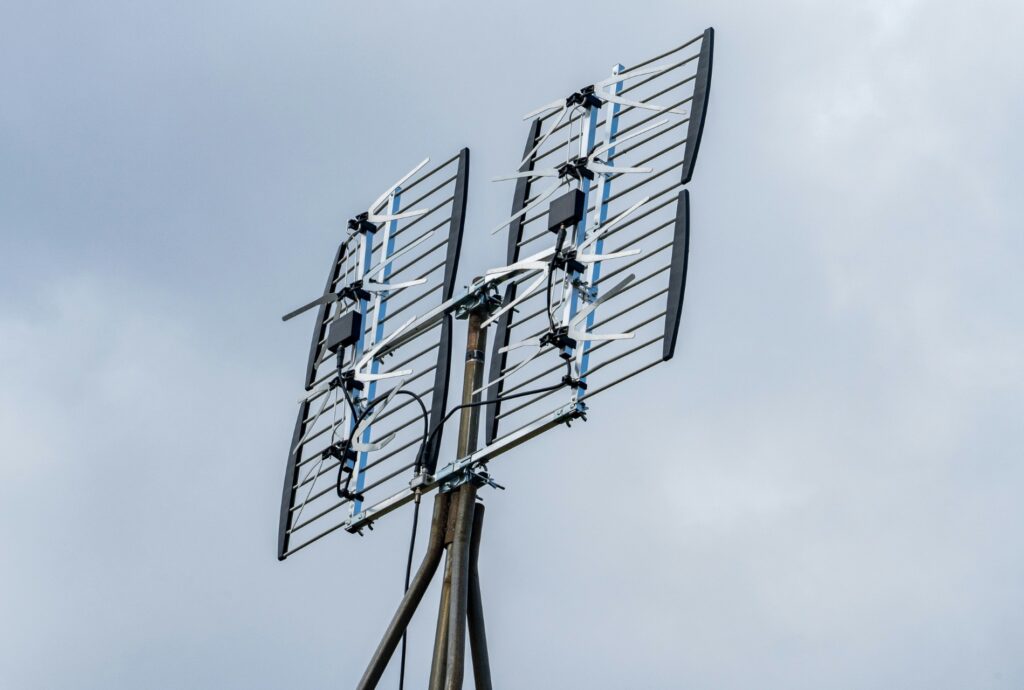
Choosing the right TV antenna starts with understanding what you want from your setup. For example, you may prioritize a simple indoor option or need a stronger reception for a more challenging location. Considering how you plan to use the antenna can help you find a model that suits your viewing needs.
An antenna’s advertised range gives you a useful starting point, but it does not guarantee reception at that distance. Broadcast tower locations, terrain and obstacles can all affect the signal reaching your home. Check the location of nearby towers before choosing an antenna based primarily on its range.
If you have relatively strong local signals, an indoor antenna can offer simple installation and convenient placement. If your home sits farther from broadcast towers or has significant obstructions, you may benefit from an outdoor antenna.
Local TV broadcasts can use either very high frequency (VHF) or ultra-high frequency (UHF) signals. VHF covers radio frequencies from 30 to 299 MHz, while UHF spans 300 MHz to 3 GHz. Since local channels can operate across either band, choosing an antenna that supports both can give you access to a broader range of broadcasts. Check which frequencies the stations in your area use before choosing an antenna, especially if you want to receive as many available channels as possible.
Where you place your antenna can have a noticeable effect on reception. You may get better results with an indoor model near a window or in a higher position, while outdoor antennas generally benefit from an unobstructed installation. Buildings, trees, roofing materials and nearby electronic or wireless signals can also interfere with reception.
Choosing a TV antenna becomes easier when you know what your home and local broadcast area require. By considering your location, available frequencies and preferred viewing, you can choose an antenna that fits the way you watch free TV.