In April 2026, four people set a world record. They traveled farther than humans have ever gone before, gaining knowledge that astronauts of the past could hardly have imagined. The Artemis II mission was one of the most groundbreaking and pivotal space missions in human history. The mission signifies a shift in Earth’s curiosity and potential to reach Mars, and, someday, other planets.
Discover everything you should know about what the Artemis II crew witnessed and why it is worth celebrating for the rest of time — even when their record is beaten.
A Recap of the Artemis II Mission
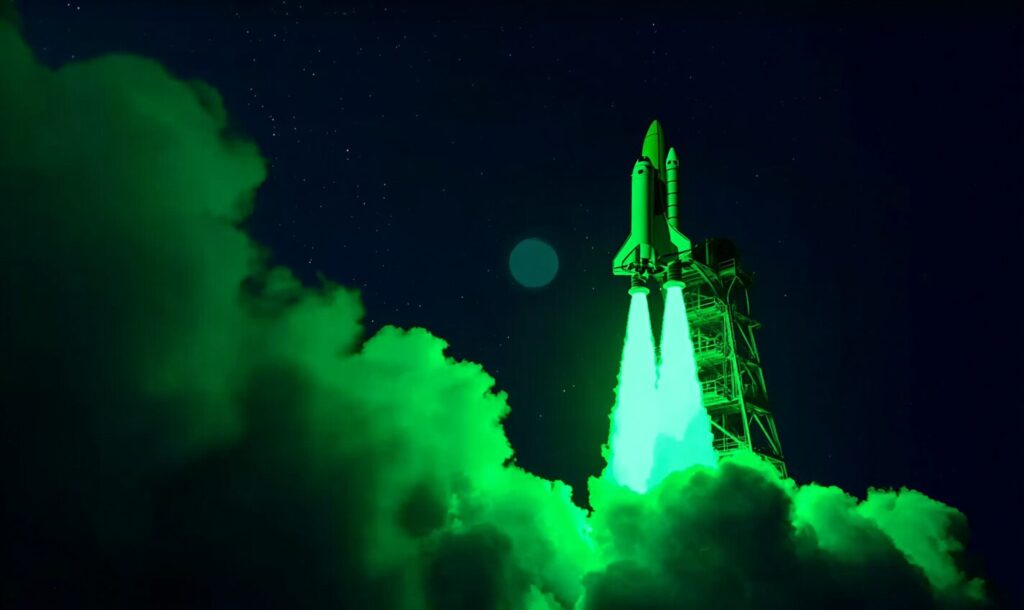
Humans finally made their triumphant return to the moon for the first time since the 1960s in a crewed lunar flyby. After several delays, the four-person crew took off in an Orion space capsule from NASA’s Kennedy Space Center in Florida on April 1, 2026. It splashed back down safely into the Pacific Ocean on April 10, 2026.
Three U.S. astronauts were aboard, including Reid Wiseman, Victor Glover and Christina Koch. Alongside them was Jeremy Hansen from the Canadian Space Agency. This represents a partnership that will set a precedent for future international collaborations in space exploration. They lived aboard the Integrity capsule, which they named themselves, for this 10-day journey.
This crew’s mission was to fly by the moon to perform essential testing and observations that would lay the groundwork for Artemis III in the coming years. It tested the effectiveness of life support systems, communications devices and manual piloting controls. Eventually, the crew journeyed 252,756 miles — the farthest humans have ever voyaged.
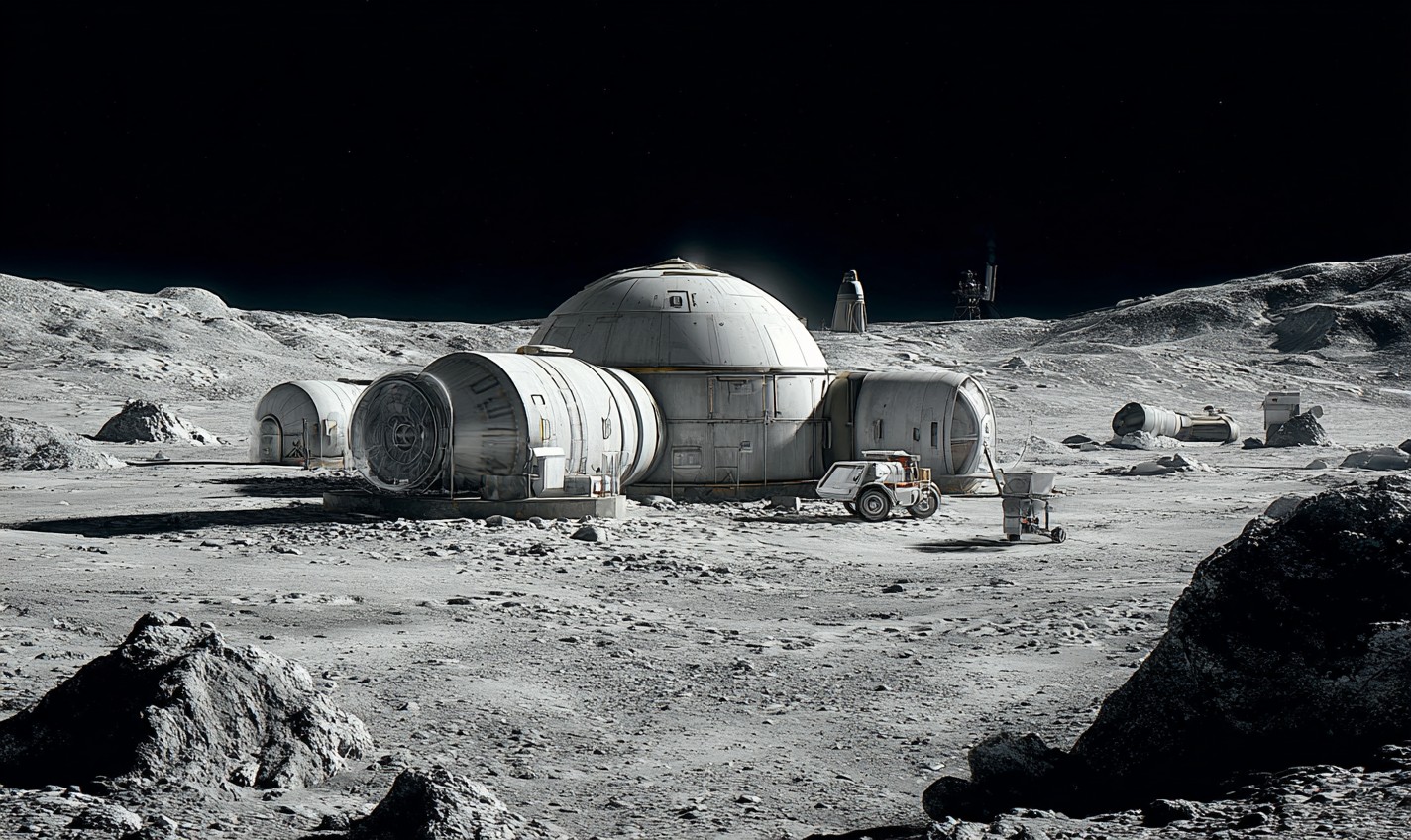
During the flyby, the team took photos and executed surveys, exploring the moon’s far side. This is essential for eventually establishing a lunar base near the south pole, which will help jettison humans to their next frontier — Mars. The camp will explore the surface and its frozen water stores to convert them into fuel. This cursory mission and its crew were essential in determining how viable current technologies are for more advanced treks.
The Pioneers of the Artemis Generation
The crew was small but mighty, with Wiseman as the commander, Glover as the pilot, and Koch and Hansen as mission specialists. Each member has thousands of hours of experience from flying to and working on the International Space Station.
The team had multinational representation, but it was a victory for many other reasons, as well. Koch was the first female, Glover was the first Black individual and Hansen was the first Canadian to participate in a lunar mission. This is an achievement for diversity and equity in the industry.
This representation is vital because it will inspire the minds of people of all ages and backgrounds to explore their curiosity about the sciences and the stars. Seeing individuals with diverse histories and stories is necessary. It makes humanity’s first steps on other planetary bodies reflective of the collaborative nature of space exploration and the diversity that is so unique and celebratory in humans. To make this known on other planets, organizations need to carefully consider their crews.
The 10-Day Journey Beyond Earth
The mission began with an orbit around Earth. The purpose of this was to test the flight controls within a safe trajectory. After this evaluation, NASA gave the crew the go-ahead to continue with the mission.
The review was essential, as many of the life-support systems were new technology and had never been on a mission previously. Wiseman elaborated, saying, “We are going really, really far away. And that one 24-hour orbit gives us time to check out all of our environmental control, life support systems. … Can it scrub our carbon dioxide? Can it keep us alive? Can we drink water?”
The crew continued for four days, awaiting their inevitable flyby of the moon and its far side. Once completed, the ship would slingshot to return home. This was not without its terrors, as the crew anticipated a 40-minute communications blackout once it was positioned behind the moon. During this time, they took many photos and discovered several new craters.
The journey home went by without a hitch. The astronauts safely splashed down off the coast of San Diego to be retrieved in the middle of the ocean.
Key Milestones and Technological Triumphs in the Artemis II Mission
While the delays caused some apprehension, they led to serendipitous timing. On April 6, 2026, the crew witnessed a solar eclipse as the moon passed in front of the sun. It led to some of the most phenomenal photos in a series of already jaw-dropping images. This event is extremely rare, making the mission even more special.
The crew was also given the opportunity to pitch names for the craters they identified. In a heartwarming tribute, they offered Carroll, the name of Wiseman’s late wife, who had died of cancer. The other crater was to be named Integrity, after the capsule.
Additionally, there were many technological achievements. The Space Launch System (SLS) was the world’s most powerful rocket. It was a new system designed for heavy-lift rockets to get cargo, crew and tech into space within a single launch. It is the only one of its kind, and the fact that it accomplished its task for Artemis II allows crews to continue perfecting it for future missions.
The crew was also able to communicate rather seamlessly with Earth. NASA’s Space Communications and Navigation Program tested and monitored a complex web of advanced communications. Its radio network worked alongside a laser communications terminal, an achievement in high-data-rate transmission. It relies on worldwide infrastructure, satellites and more to operate. The team was able to communicate with NASA in real time, send live updates and provide feeds of their progress.
From Flyby to Footprints
The success of Artemis II resembles the hope of uncovering more of the universe’s secrets and the prospects of safe, effective missions in the future. This exploratory yet groundbreaking journey sets the stage for Artemis III. Whether it be building a moon base or finally setting foot on the elusive red planet, spirited collaboration and human ingenuity will be what gets people to exist beyond Earth’s boundaries.
Recent Stories
Follow Us On
Get the latest tech stories and news in seconds!
Sign up for our newsletter below to receive updates about technology trends