People long for the dumb phone. With screen times getting longer and notifications competing for attention, many crave a break from the constant buzz of social media and the internet. These simple devices have a straightforward promise — they help you stay connected while keeping you from drowning in a sea of content.
What Is a Dumb Phone?
A dumb phone sits opposite a smart phone. It is a basic mobile phone that only allows the most essential features, like sending text messages and making phone calls. Think about your old Nokia that’s built like a brick. No wi-fi, no apps — just a list of phone numbers you can contact when you need to.
People “downgrading” their main phone to a basic dumb phone usually want to stay reachable and connected, but without the constant distractions that come with social media apps and notifications. While some of these phones can still have more modern features like Wi-Fi and touch screens, they aren’t as pervasive and addictive.
5 Best Dumb Phones for Your Digital Detox
While smartphones have become the standard in most settings, many brands still carry — and specialize in — dumb phones for the more wellness-conscious or no-frills market sectors. You might find the best dumb phone for you on this list.
1. Nokia 3210
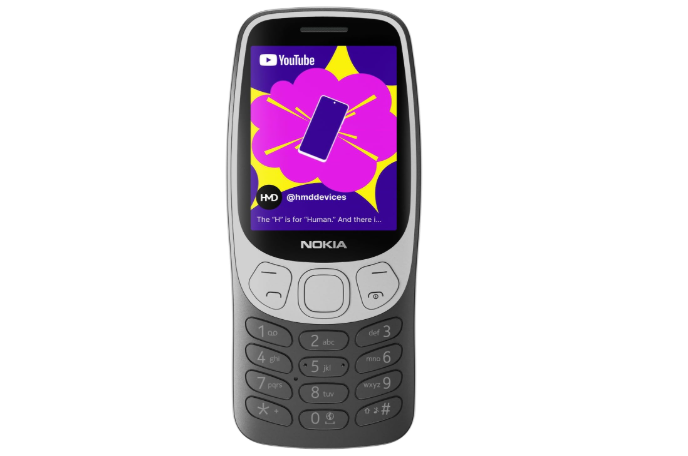
The Nokia 3210 is a vintage treasure — initially launched in 1999, it enjoyed a relaunch in 2024 for its 25th anniversary. It had great timing, too, as the dumb phone movement was in full swing around the same time.
Aside from having the iconic Snake game, the latest version of the Nokia 3210 has the essentials and a little more. Call and text quality are good, and it has a basic browser if you need internet access in a pinch.
2. Wisephone II

Marketed as the “smartest dumb phone” by its manufacturer, Techless, Wisephone II definitely looks like your average smartphone. However, that’s where the resemblance stops, as it offers only the basics.
This solidly built phone has no app store, no browser and no social media apps — meaning there are no distractions. It does have the tools you need to stay safe and connected, like calls, texts, navigation, a camera and other essentials.
3. Light Phone II

Light Phone II is another strong contender in the design department, with its sleek, minimal build and e-ink screen. It’s only a little bigger than a credit card, making it one of the smallest dumb phones you might find.
Like its design, it has minimal functions, including calls, texts, a music player, a calendar, a calculator and an alarm. It does not allow you to use social media or even check your email, making it ideal for unplugging from online life.
4. Punkt MP02
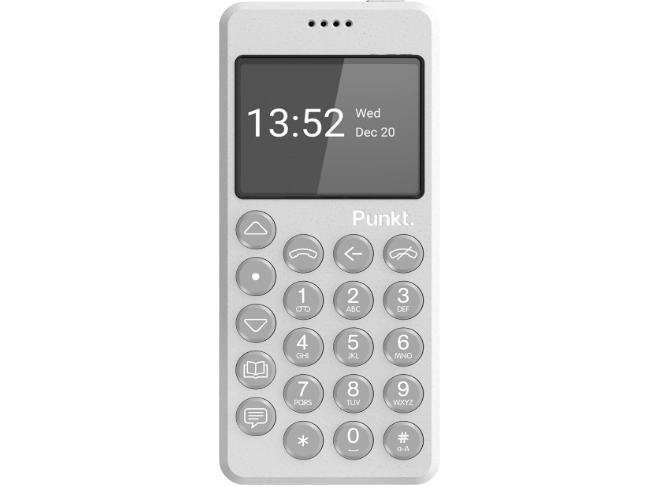
This little guy harks back to the old days when people wanted their phones to be as small as possible. It has that nostalgic look and feel, similar to the Nokia 3210, with its thin, rectangular body and tactile numeric keypad.
It’s the essential dumb phone — no internet access, no browser, no app store and no social media. However, you can call, text, set alarms and timers and use the calendar. It’s a no-frills option for those committed to giving up having a computer in their pocket.
5. Doro 2800

If a dumb phone is what you want, that’s what you’ll get with the Doro 2800. This tiny flip phone completely forgoes the bells and whistles you’ll find on a smartphone, and even other phones on this list.
It doesn’t have internet access, keeping you from checking social media or even your email. It does have calls, texts and a basic camera for capturing everyday moments. Its target audience is mostly older people, hence the straightforward and minimalist style and features. However, its basic setup makes it a great dumb phone.
The Benefits of a Digital Detox
Getting a dumb phone is usually part of someone’s digital detox, or when you intentionally step away from the internet and digital devices like smartphones, computers, tablets and even smart watches.
The average American spends four hours and 37 minutes on their phone daily, with averages for younger people skewing higher. These detoxes aim to reduce screen time and dependence on digital devices, allowing you to reconnect with the offline world.
Recent studies have observed the effects of online addiction and digital detox toward one’s well-being. A study published in 2024 observed the effects of a two-week digital detox on young adults. The experiment led to these outcomes:
- Improved smartphone and social media addiction
- Better satisfaction with life
- Reduced stress
- Supportive relationships
- Improved perceived wellness
Heavy social media users, especially teenagers, are reporting worse mental health and well-being. They’re experiencing loneliness, negative thoughts about the future and a lack of control over their lives.
A digital detox is an excellent way to unplug, especially as more people become aware of the adverse effects of being constantly online.
Tips for Implementing a Digital Detox
Everyone’s digital detox journey is different, as people use the internet differently. If you’re planning to reduce your screen time or spend more time not scrolling through your phone, try these tips:
Monitor Your Current Usage
Most modern smartphones have a built-in screen time tracker, complete with data about which apps you use the most. Look at the facts — how much time do you spend scrolling through social media apps or mindlessly browsing? These graphs could surprise you and point you toward what habits need to change.
Pay Attention to Your Feelings
When using your phone, pay attention to how you feel. Why do you use your phone at specific times? Do certain apps make you feel better or worse? Are you more anxious, distracted or tired? Understanding your emotions might help you control your phone use.
Turn off Your Notifications
Notifications are highly effective at drawing in your attention. Silencing nonessential notifications, like those from social media, games or online shopping apps can help your detox. Fewer pings mean fewer temptations to check your device.
Delete Apps
Remove the most distracting or time-consuming apps on your device, like games or social media. This step can be challenging, especially for heavy users, but it can be helpful. Give yourself a week or even a few days to get used to it. The absence can make it easier to resist old habits.
Plan Offline Activities
Staying away from addictive apps is half the battle. Filling your time with hobbies and other offline activities is also important. Go for a walk, grab a book or hang out with friends. Engaging in real-world activities makes the detox more enjoyable and sustainable.
Develop a Sustainable Routine
For your habits to stick, start by being realistic. Immediately deleting all your apps as a heavy user can be highly disorienting and not at all enjoyable. Instead, start by scheduling your internet usage, and slowly wean yourself off as you get used to this new lifestyle.
Go Back to the Basics
Switching to a dumb phone is a calmer, more intentional way to stay connected with the rest of the world. It allows you to regain control of your attention, making it easier to focus on your goals and the things that matter most to you.
Recent Stories
Follow Us On
Get the latest tech stories and news in seconds!
Sign up for our newsletter below to receive updates about technology trends