
Gaming has always been about immersion, challenge and fun, but the experience has not always given equal access to every player. When someone has a disability, it limits them to how much they can play or whether they can game at all. However, that’s all changing fast, thanks to adaptive technology, assistive tools and built-in accessibility features in gaming. With the latest innovations, developers can break down barriers and ensure everyone has a fair chance to play.
Adaptive technology refers to the equipment, devices, or tools used to make them more usable for people with disabilities. In gaming, these tools make consoles, mobile devices and PCs playable for the 46 million gamers with disabilities. This is because adaptive gaming tech offers customizable layouts and alternative input methods that allow them to interact with games in ways that suit their abilities.
Some examples include:
Assistive technology provides software and tools that help players interact with digital content more easily. While adaptive hardware focuses on physical input, assistive tech enhances interaction through interfaces, automation and smart support systems. PC and mobile companies are increasingly incorporating these features into their devices:
Voice control allows players to issue commands or perform in-game actions using spoken words. Apps like Voice Access for Android and Dragon NaturallySpeaking for PC users offer powerful options for hands-free control. Gamers can open menus, make selections or trigger macros by voice alone, making this a key tool for individuals with limited mobility.
Eye-tracking devices let users play games using their eyes. Tools like the Tobii Eye Tracker 5 and Apple’s Eye Tracking allow users to navigate game menus, aim, and interact with content through eye movements. This technology has become increasingly accurate and responsive, making it essential for those who can’t use a traditional mouse or controller.
Switch access is available within iOS and Android operating systems, enabling users to control games and apps with external buttons and other alternative inputs. These additions are especially useful for turn-based games or puzzle titles where precise timing is crucial. Customizable touch interfaces also allow players to enlarge buttons, adjust sensitivity or remap controls for more intuitive play.
For players with fine motor challenges, Bluetooth-enabled styluses, trackballs or oversized mice offer more precision and control. These tools can replace touchscreen swipes or mouse clicks, allowing players to game on their phones, tablets or PCs more comfortably.
While adaptive and assistive technologies are helpful tools, many of today’s major gaming consoles also have accessibility features to make gameplay even more customizable. These system-level options help users tailor their gaming experience to suit their individual needs without additional hardware.
Sony has made major strides with accessibility, especially with the PlayStation 5. This console includes a dedicated Accessibility Settings menu that offers:
Some PlayStation games also offer in-depth options — such as The Last of Us Part II — which includes visual, auditory and motor accessibility settings.
Microsoft has long been a leader in accessible gaming. Beyond its adaptive hardware, Xbox consoles feature several built-in tools, such as:
Microsoft also maintains a detailed Accessibility Support Hub with step-by-step guidance on setting up features.
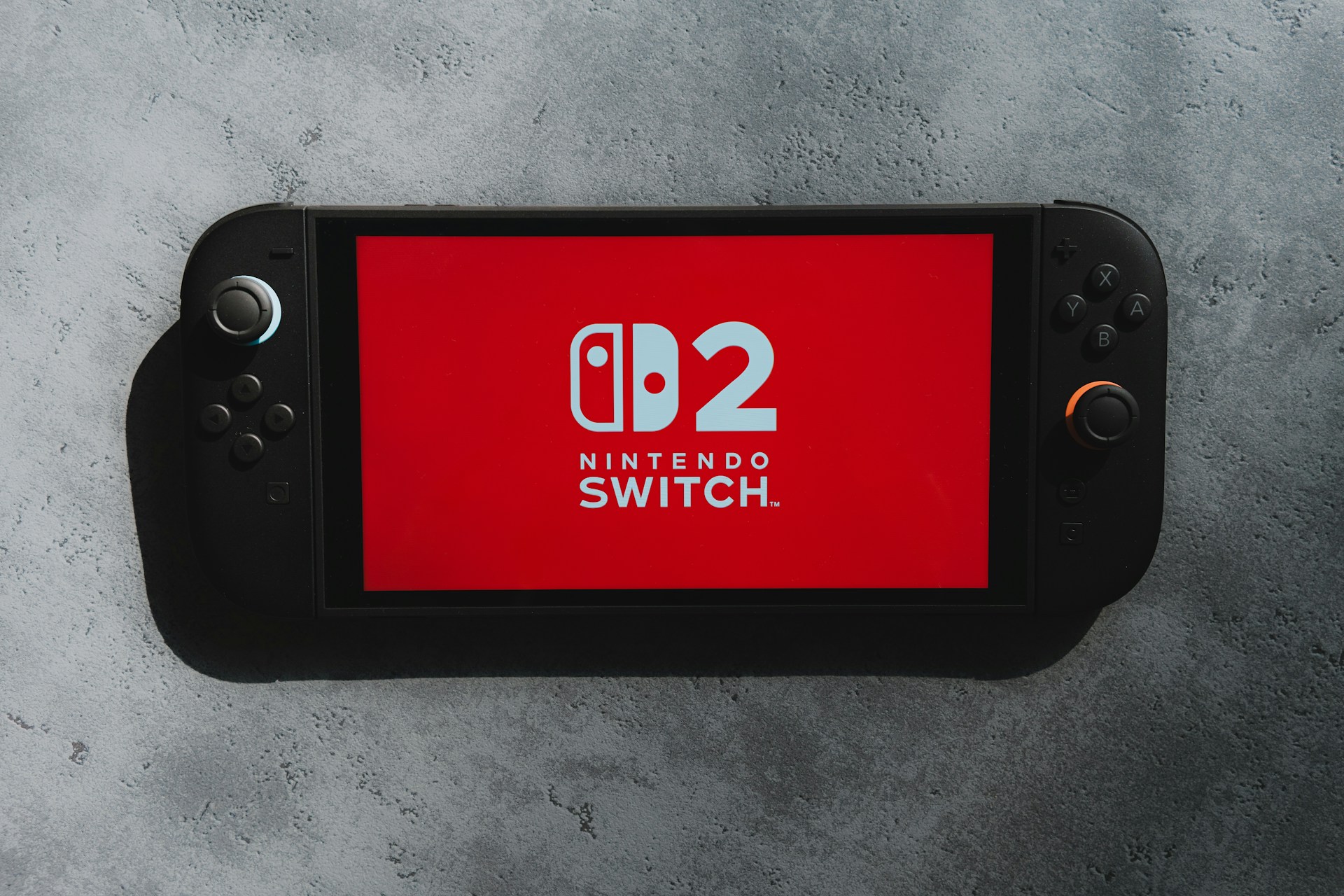
Nintendo’s accessibility features were not always as expansive as Sony’s or Microsoft’s. However, it has recently advanced its accessibility offerings with the release of the Nintendo Switch 2, introducing a suite of options that make gaming more inclusive. Key accessibility enhancements include:
Why does accessibility in gaming matter? Inclusive design changes the way people play, connect and create. Here’s how.
Inclusive gaming tools give disabled players the ability to participate fully in digital worlds as competitors, creators and community members. When players have access to adaptive and assistive technologies in gaming, they gain more confidence and independence. It makes them feel like they belong, which is especially crucial for those facing barriers in other life areas.
As more developers prioritize accessibility, they must think differently about design, resulting in more thoughtful, creative solutions. Some games have set new standards with accessibility options, which has inspired others to follow suit. From customizable difficulty levels to haptic feedback, inclusive design often leads to more immersive gameplay for all users.
By removing physical and sensory barriers, inclusive gaming welcomes millions of new players. This expansion grows the industry’s audience and enriches gaming communities with diverse perspectives and experiences. As a result, gaming has become more representative and social.
With adaptive tech and accessibility features becoming increasingly integrated into gaming, the future of this industry looks brighter than ever. Developers and tech innovators are working together to ensure every player can enjoy the full depth of the experience. It’s a new foundation, enabling more playtime and fun.
If you’re considering upgrading your setup, now’s a great time to explore your options. Check out our PC vs. Console Gaming guide to help you find the platform that fits your play style and accessibility needs.
This article was contributed by Lou Farrell. Lou, a Senior Editor at Revolutionized, has covered Technology and Science topics for years. He’s extremely passionate about writing, and enjoys spreading his knowledge around however he can.