
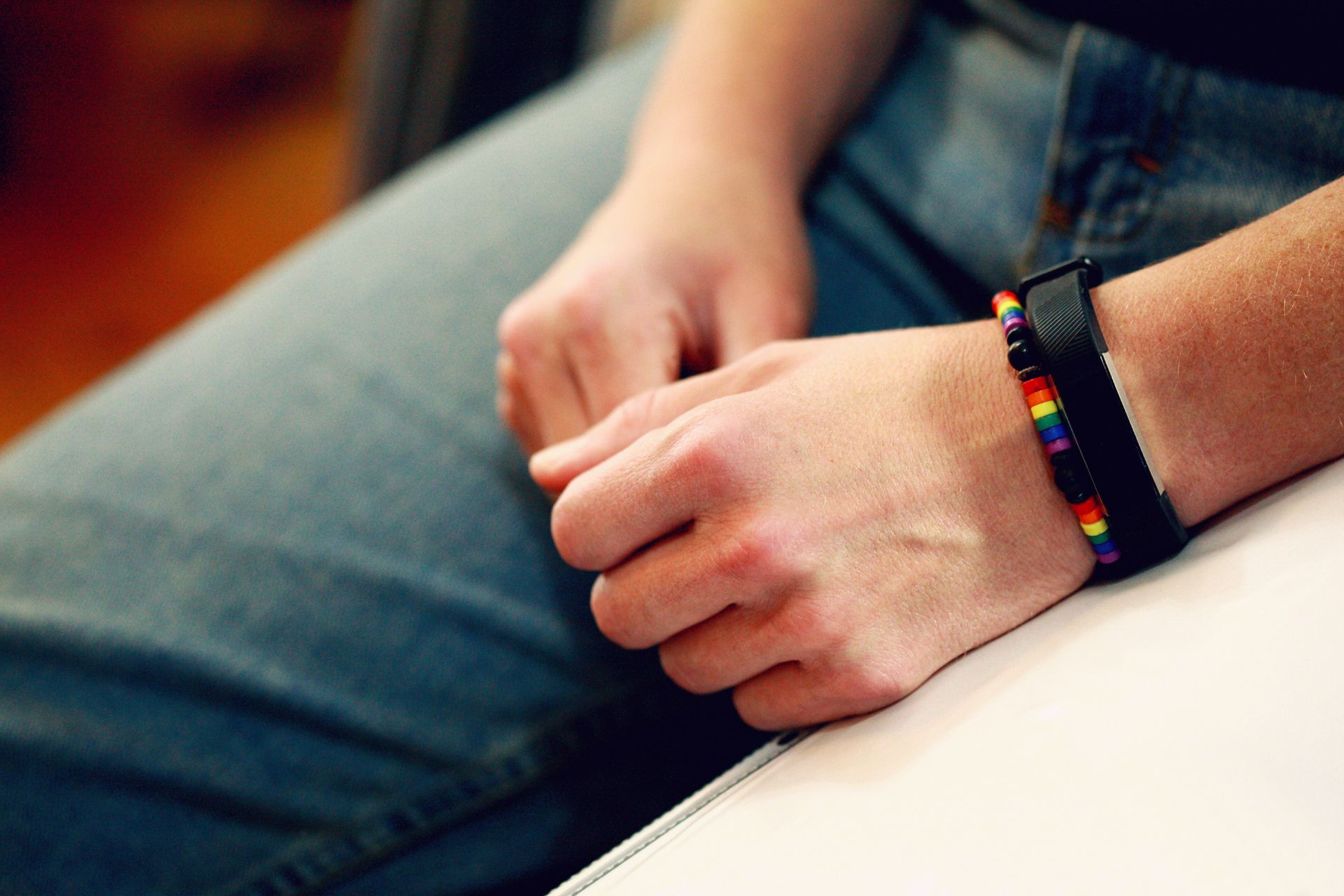
Most people spend a large part of their day looking at screens, whether they are checking notifications, replying to messages or tracking their health. As a result, interest is growing in wearable technology that can deliver useful information without adding another display to watch. The Google Fitbit Air is one of the latest devices tied to this screenless technology trend, offering a different approach to staying connected and informed. Here’s what you need to know about the wearable and how it could fit into the future of personal tech.
The Google Fitbit Air is a screenless health and fitness tracker that collects wellness data without relying on a traditional display. Unlike a smartwatch, it does not place notifications directly on your wrist. Instead, it focuses on tracking health metrics in the background while keeping the user experience simple and unobtrusive.
The device is built around the idea that wearable technology does not always need a screen to be useful. Rather than constantly prompting users to check the display, the Fitbit Air collects data throughout the day and syncs it to the Fitbit app on a connected smartphone. This approach allows users to review their activity, sleep patterns and other health insights when it is convenient instead of being interrupted by frequent alerts.
Google’s approach reflects a growing interest in screenless technology. As people look for ways to reduce digital distractions, devices like the Fitbit Air aim to deliver the benefits of wearable tracking while minimizing the attention demands often associated with smartwatches. The result is a wearable that stays focused on health monitoring while leaving the screen-based experience to the smartphone already in a user’s pocket.
While the Google Fitbit Air removes the screen, it still offers many of the health-tracking features people expect from modern wearables. The difference is that the device works quietly in the background, allowing users to review their data later through the Fitbit app.
The Fitbit Air tracks core wellness metrics such as daily steps, heart rate and sleep quality. It also includes blood oxygen monitoring, which can provide additional insight into overall health and recovery. By automatically collecting this information, the device helps users build a clearer picture of their habits without requiring constant interaction.
Like other recent Fitbit products, the Air features sensors that monitor factors such as skin temperature, stress levels and heart rate variability. These measurements can help users identify changes in their health and better understand how daily routines affect their well-being. Because the device has no display, all insights are delivered through the Fitbit mobile app.
Removing the screen can have a major impact on battery performance. Displays are often one of the most power-hungry components in wearable devices. Hence, a screenless display allows the Fitbit Air to last about 8 days, which is much longer than many traditional smartwatches. This feature makes it a good option for users who prefer less frequent charging.
The Fitbit Air is expected to feature a lightweight, minimalist design that prioritizes comfort for all-day wear. Without a display, the device can maintain a clean appearance while remaining focused on its primary purpose — health and fitness tracking. The simple design also aligns with the growing trend toward less distracting wearable technology.
For years, wearable technology has focused on putting more information directly in front of users. Smartwatches can display messages, emails, app alerts and fitness metrics throughout the day. While these features are useful, they can also contribute to the feeling of always being connected. That has led to growing interest in digital minimalism, a movement centered on reducing unnecessary screen time and limiting distractions.
Screenless wearables fit naturally into this trend. Instead of demanding attention with constant notifications, these devices collect data and present it when the user chooses to review it. The goal is to make technology less intrusive.
It is no surprise that companies are exploring new approaches to wearable design as the market continues to expand. According to industry projections, the global wearable technology market is expected to grow from $96.44 billion in 2026 to $231.43 billion by 20234. Growth at this scale suggests consumers remain eager to adopt new devices, especially those that offer a different experience from traditional smartwatches.
The wrist remains the most important location for wearable technology. In fact, wrist-worn devices accounted for 46% of the global wearables market in 2025, making them the dominant form factor. A product like the Google Fitbit Air builds on that popularity while embracing a simpler philosophy, giving users access to health insights without adding another screen to their daily routine.
Using a screenless wearable is designed to be a simple, low-maintenance experience. You put the Fitbit Air on in the morning, and it quietly tracks your activity throughout the day. It records steps, monitors heart rate, tracks workouts and gathers other health data without requiring you to stop and check a display. In many ways, the goal is to make the technology feel almost invisible.
Instead of viewing information on your wrist, you use the Fitbit app as the device’s main interface. Data collected by the wearable syncs to the app, where users can review their daily progress and other health insights. This technique allows for a more intentional experience, since users choose when they want to engage with their data rather than receiving a constant stream of updates.
The lack of notifications is also a key part of the appeal. Traditional smartwatches often mirror calls, messages and app alerts from a smartphone, creating another source of interruptions. A screenless wearable takes a different approach by focusing on health tracking rather than communication. For people looking to reduce distractions while still benefiting from wearable technology, that trade-off may be one of the device’s biggest advantages.
The biggest difference between the Fitbit Air and traditional wearables is the absence of a screen. Devices like the Fitbit Charge and Fitbit Versa place fitness data, notifications and apps directly on the wrist. The Fitbit Air takes a different approach by removing the display entirely and shifting the experience to the Fitbit app. Users still receive health insights, but they are not constantly prompted to check their devices throughout the day.
This screenless philosophy puts the Fitbit Air in a growing category of the wearable technology market. While many devices continue to add new display features, others are moving in the opposite direction by focusing on passive health tracking and reduced digital distraction. The goal is to collect useful data while keeping the technology as unobtrusive as possible.
The Fitbit Air is not the first device to embrace this idea. Competitors such as Whoop have spent years refining screenless fitness tracking for users who prioritize health data over notifications.
For example, Whoop can gather up to 100 MB of data per user each day, demonstrating how much information modern wearables can gather without relying on a display. Rather than acting as a miniature smartphone, the Fitbit Air follows a similar philosophy, focusing on health insights while minimizing interruptions.
The Google Fitbit Air is best for people who want the benefits of wearable health tracking without the constant interruptions that often come with smartwatches. It may appeal to digital minimalists, fitness enthusiasts who prioritize data collection and anyone who feels overwhelmed by a steady stream of notifications. Its screenless design allows users to stay informed about their health while keeping their attention focused elsewhere.
However, it may not be the right fit for everyone. Users who rely on wrist-based notifications, quick message previews or smartwatch apps may find a traditional wearable more useful. If staying connected throughout the day is a priority, a device with a display will likely offer a better experience.
The Google Fitbit Air represents a different vision for wearable technology — one that focuses on health insights without adding more screens to daily life. By collecting data in the background and reducing digital distractions, it offers an alternative to traditional smartwatches for users who prefer a more minimalist experience. As screenless devices continue to garner attention, products like the Fitbit Air could help shape the next generation of wearables.