Does the Nintendo Switch have Bluetooth? Yes, and you can use it to connect your wireless headphones and controllers. Here’s how.
Before, you had to buy a Bluetooth adapter to connect third-party wireless headphones to your Nintendo Switch. Thanks to a software update, you can now pair any Bluetooth audio device to your portable gaming console. Here’s the step-by-step guide.
Follow the same steps for speakers and other Bluetooth audio devices. You can pair up to ten wireless headphones, earphones or speakers to your Switch. It’s also worth noting that Nintendo only allows connecting two wireless controllers or one pair of Joy-Cons when you’ve got Bluetooth headphones connected to your device.
Fact: You will get disconnected from your Bluetooth headphones when you join a local multiplayer game. The Nintendo Switch has yet to add Bluetooth microphone support to its line. So if you’re a fan of using a voice chat system, it’s time to look elsewhere for alternatives.
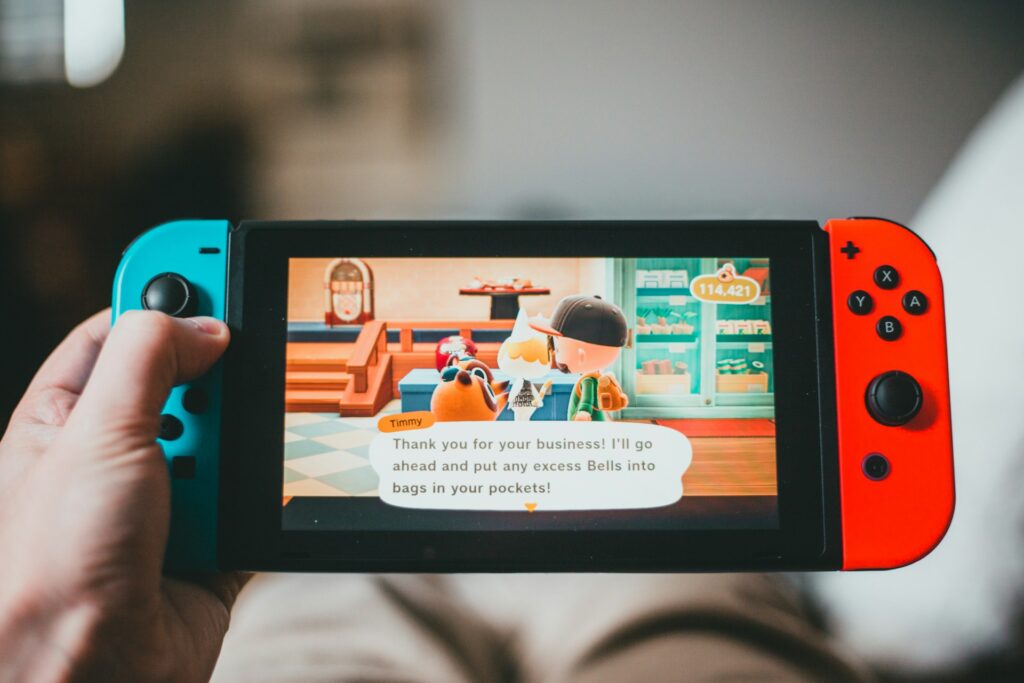
Nintendo Switch accepts many official controllers and they all connect via wireless technology. Here’s how to pair third-party controllers with your Nintendo Switch.
Fact: Nintendo lets you connect up to eight wireless controllers to your console simultaneously. This feature enables you to play with friends on multiplayer games.
Yes, Nintendo Joy-Cons uses Bluetooth technology to pair with Switch consoles and other devices. In case you forgot, here’s how to pair Joy-Cons with your Switch.
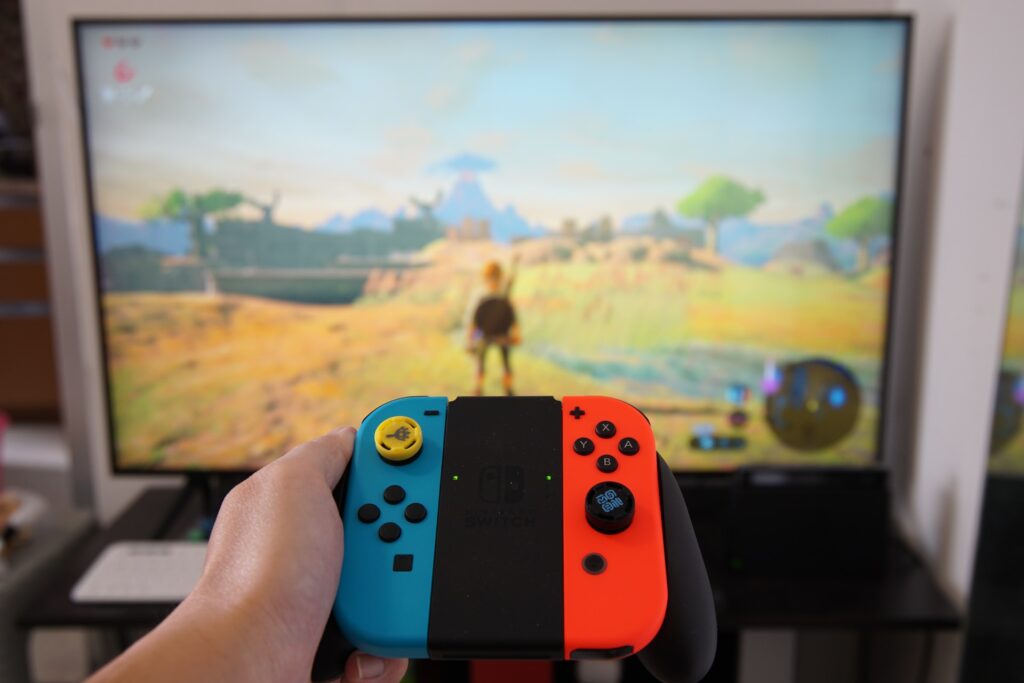
Did you know you can use your Joy-Con to turn on your TV at home? Some TVs are cross-compatible with Joy-Cons using HDMI-CEC. This feature allows devices to communicate via the high-definition multimedia interface (HDMI). Here’s how you do it.
Enabling this feature will allow you to turn on your TV automatically when you press the “Home” button on your Nintendo Switch. You can also turn your TV off by holding the “Home” button for a few seconds. It’s a cool tech trick to show your friends when you have them over for a gaming session.
Nintendo added the Bluetooth capability to the Switch in 2021 through a software update. Many fans have clamored for a seamless Bluetooth pairing functionality and Nintendo answered. All Nintendo Switch models — from the regular Switch, Lite and OLED — are compatible with Bluetooth audio and controller devices.
Users should note that connecting Bluetooth audio devices to the Switch can result in latency. You may experience delays in the audio output even when your console and headphones are working correctly. Here’s how you can solve this issue.
Fact: Some third-party manufacturers offer latency-free audio output for the Nintendo Switch. These headphones often have a dongle that you attach to your console and use 2.4 GHz wireless connectivity instead of Bluetooth. The outcome is a smooth, delay-free listening experience that lets you enjoy your games better.
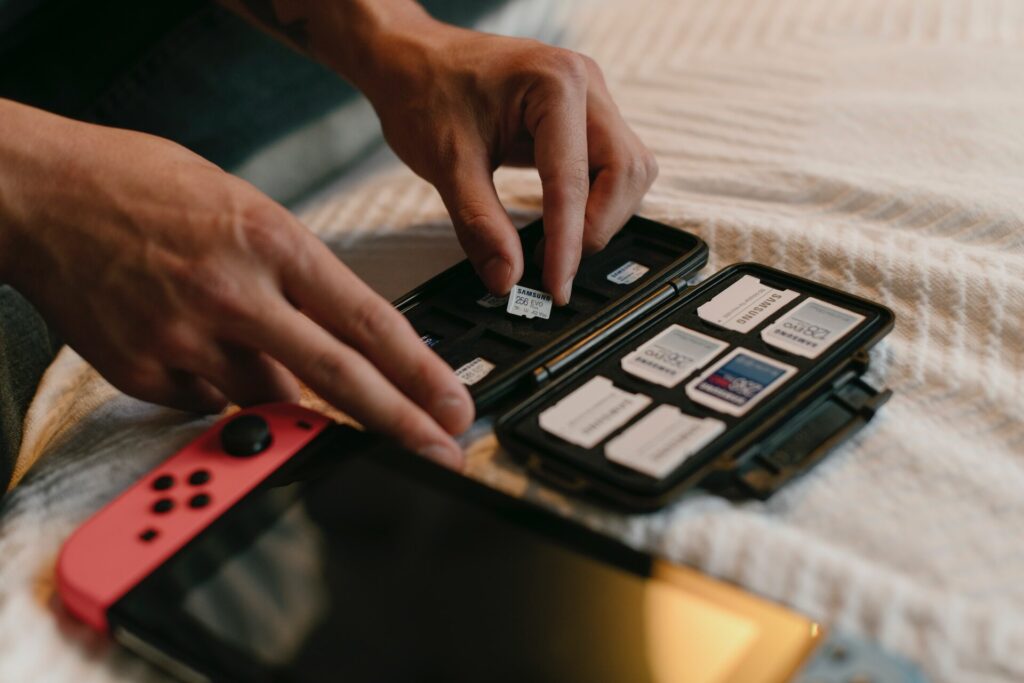
Back when Nintendo only allowed audio connections via jack, users had to be inventive if they wanted to use their wireless headphones. Third-party companies quickly recognized the opportunity and released Bluetooth adapters to give the Switch wireless connectivity.
All you had to do was plug your Bluetooth adapter into the Switch’s charging port for handheld gaming or into the charging stand when it’s docked. You can then pair your wireless headphones or controllers with your Switch via Bluetooth. Of course, you can expect some latency or audio delays if you go this route.
Aside from letting you pair non-Nintendo wireless controllers with your Switch, third-party Bluetooth adapters also let you remap your controller buttons for more gameplay options. This feature comes in handy when you have a specific button layout that suits your gaming style.
The Nintendo Switch may be getting old, but there’s no denying that it remains a strong contender in the portable gaming scene. Thanks to Nintendo’s vast game library, users still enjoy playing on the handheld device for many years to come. Switch owners will find more reasons to keep playing now that they can customize their consoles with different third-party wireless audio devices and controllers.